Table of Contents
- Schedule Regular Professional Maintenance
- Replace Air Filters Consistently
- Keep the Outdoor Unit Clean and Clear
- Utilize a Programmable Thermostat
- Ensure Proper Home Ventilation
- Improve Home Insulation
- Adopt Energy-Efficient Practices
- Address Repairs Promptly
- Final Thoughts
Proper care of your home’s cooling system can help you avoid sudden breakdowns, higher energy bills, and the inconvenience of a hot and uncomfortable indoor environment. Incorporating effective maintenance routines and smart usage can maximize efficiency. Whether you’re looking to prevent future repairs or simply want to make your investment last longer, practical strategies like scheduling regular air conditioner repair, replacing filters, and optimizing thermostats go a long way.
Understanding how to maintain your AC unit is not only about immediate comfort but also about increasing its longevity and minimizing operating costs. From clearing debris around the outdoor unit to improving household insulation, small changes can have a substantial impact on your system’s lifespan and performance.
Keeping up with air conditioning maintenance may seem overwhelming, but following a structured approach makes it manageable. These steps should help any homeowner, regardless of their technical knowledge, to take action and get the most out of their cooling equipment over the years.
Schedule Regular Professional Maintenance
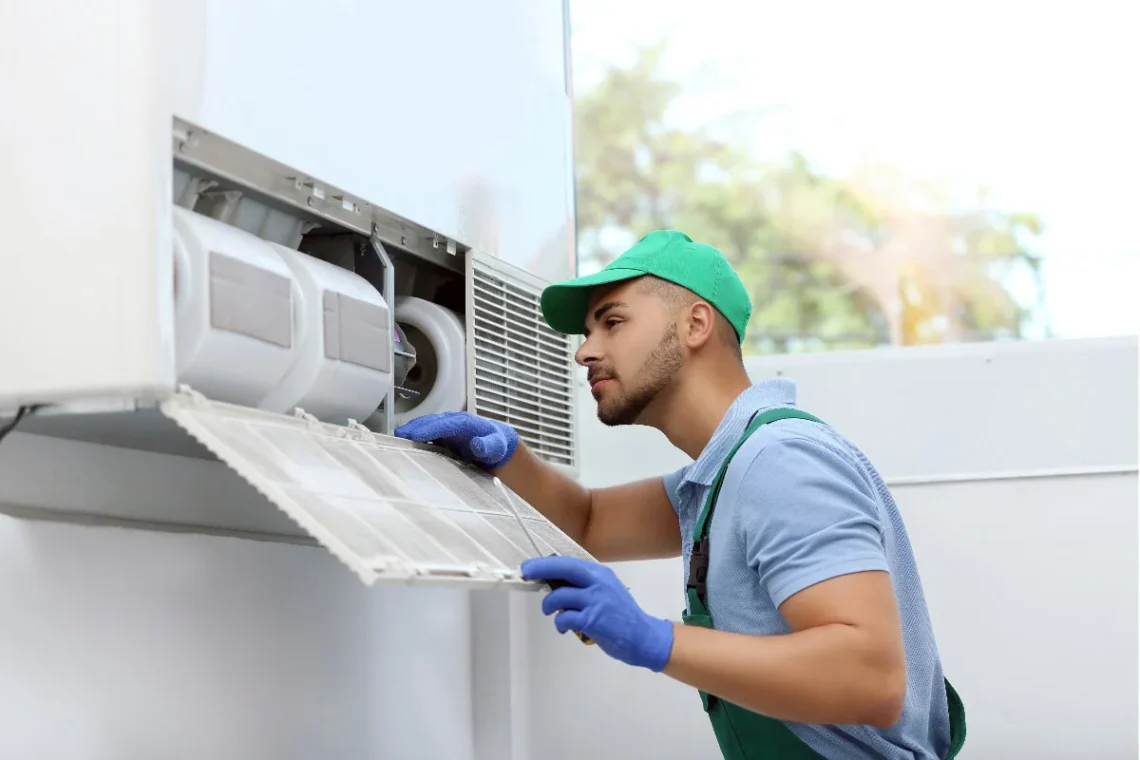
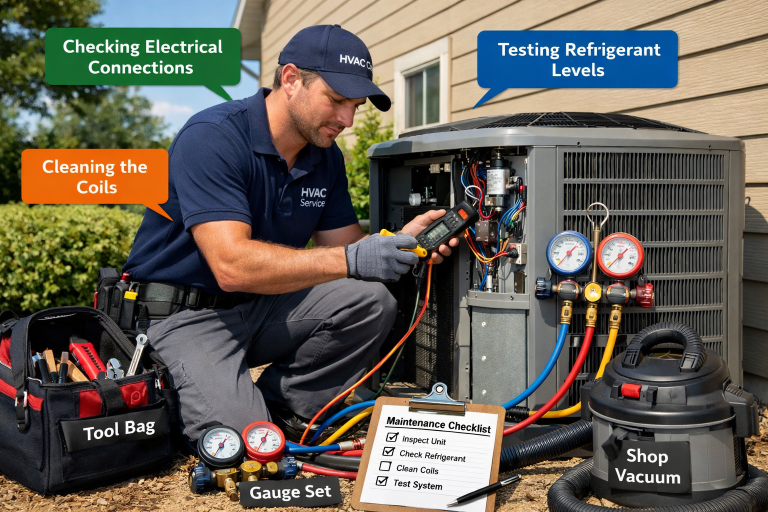
Having your air conditioner checked by a professional air conditioning company at least once a year helps catch problems early and keeps the unit running smoothly. A certified HVAC technician from a trusted company can clean internal parts, measure refrigerant levels, test the thermostat, and make adjustments to ensure optimal performance. Maintenance checks lengthen the life of your AC and maintain energy efficiency.
Beyond annual checkups, pay attention to manufacturer recommendations. Some systems may benefit from bi-annual inspections, especially in regions with intense summers or dust-prone environments. Preventive maintenance from a reputable air conditioning company helps prevent small issues from evolving into costly emergencies, so treat these appointments as an investment in long-term peace of mind. Recordkeeping is important too; keep a log of maintenance dates, work performed, and any new parts installed, so you can easily monitor your system’s health and plan ahead for future needs.
Replace Air Filters Consistently
Air filters trap dust, pollen, and debris to keep the air clean and ensure proper airflow. If not replaced regularly, clogged filters make the air conditioner work harder, which increases wear and energy use. Experts recommend inspecting filters at least once a month and replacing them every 1 to 3 months, depending on usage and indoor air quality.
Be mindful of your home’s specific circumstances. If you have pets, are allergic to dust, or live in a windy or dusty area, you may need to change filters more often. Failure to do so can lead to airflow restrictions that not only reduce efficiency but can cause the system to freeze up or overheat. Some filter types, especially HEPA or high-efficiency options, may last longer but should still be checked frequently for optimal results. Clear, labeled calendar reminders can help you stay on schedule with filter changes throughout the cooling season.
Keep the Outdoor Unit Clean and Clear
The condenser unit, usually located outside, must have sufficient space and airflow to dissipate heat. Clear away leaves, grass, and other debris, and trim plants or shrubs to leave a two-foot clearance around the equipment. Regularly washing away dirt and dust with a hose, when the power is off, can prevent overheating and prolong system life.
Seasonal cleaning is also crucial. After storms or when pollen counts are high, it pays to check and gently hose off the unit’s coils and fins. Use a soft brush or coil cleaning tool for stubborn debris, always taking care not to bend the fragile fins. Check that the unit sits level on its slab or platform, as shifting over time can strain components. Also, make a habit of visually inspecting refrigerant lines for damage or insulation wear, and repack mulch or landscaping materials that may have crept too close.
Utilize a Programmable Thermostat
Programmable thermostats allow homeowners to align cooling schedules with their routines, reducing unnecessary use and system strain. By raising the temperature when you are not at home and lowering it when you are, you can conserve energy and extend the lifespan of your unit. According to the U.S. Department of Energy, using these devices can save up to 10 percent on heating and cooling costs each year.
Consider upgrading to a smart thermostat with Wi-Fi connectivity, which offers even greater control via smartphone apps and learning algorithms. These allow for remote temperature adjustments and real-time monitoring of system performance. Smart thermostats can learn your habits, automatically adjust for weather changes, and send alerts when maintenance is needed, further safeguarding both comfort and equipment longevity.
Ensure Proper Home Ventilation
Maintaining good airflow in your home minimizes strain on your cooling system. Exhaust fans in bathrooms and kitchens remove hot, humid air, while ceiling fans help circulate cool air. Proper ventilation balances indoor temperatures and reduces the workload on your air conditioner to maintain comfort.
Additionally, opening windows during naturally cooler periods, such as early morning or late evening, can help refresh indoor air without overworking your AC. Ensure that vents are not blocked by furniture or drapes, and consider periodic checks for duct leaks or buildup inside the ductwork, which can impede airflow and cause uneven room temperatures.
Improve Home Insulation
Well-insulated homes retain cool air longer, reducing the load on the AC unit. Inspect insulation in attics, walls, windows, and doors, and upgrade or seal gaps where conditioned air might escape. Improved insulation not only supports the air conditioner’s function but can also lower noise and energy bills.
Sealing and weatherstripping doors and windows can be a simple DIY project that quickly pays off. Look for areas where sunlight is visible around doorways, or feel for drafts with your hand on windy days. Adding blackout curtains or reflective window films can further minimize solar heat gain and help retain conditioned air, especially during heat waves.
Adopt Energy-Efficient Practices
Simple routines like closing curtains during the hottest hours of the day, running heat-producing appliances in the evening, and setting the thermostat a few degrees higher can make a big difference in overall system stress. These small efforts protect your AC from overuse and naturally support efficiency.
Installing ceiling or portable fans in commonly used rooms can reduce the need to set the thermostat very low. Using fans, even at medium or low speeds, helps occupants feel cooler at higher indoor temperatures. Also, try grouping activities that generate heat, like cooking or laundry, into cooler parts of the day to further reduce your AC’s workload. Staying mindful of habits such as keeping doors and windows closed when the system is running is another straightforward way to maximize cooling without extra cost.
Address Repairs Promptly
Unusual sounds, inconsistent performance, or spikes in energy use may signal the need for professional attention. Ignoring small problems can lead to larger, more expensive repairs later. Quick action keeps your system running efficiently and can add years to its lifespan.
Make a habit of performing quick monthly inspections, listening for rattling, buzzing, or grinding noises from the unit, and checking for water pooling around the handler. If you suspect refrigerant leaks, reduced cooling output, or electrical issues, it’s safer and more cost-effective to consult a professional sooner rather than later. Maintaining open communication with your HVAC provider will help you respond quickly if anything seems amiss and can often prevent larger system failures.
By developing a schedule for regular filter changes, collaborating with HVAC professionals, improving your home’s insulation, and making a few everyday adjustments, you’ll get the most value and comfort from your air conditioner for years to come.
Final Thoughts
Proper air conditioner maintenance is not just about keeping your home cool—it’s about protecting your investment, reducing energy costs, and ensuring a comfortable living environment year-round. By following the strategies outlined above, including scheduling regular professional maintenance, replacing filters consistently, keeping the outdoor unit clean, and adopting energy-efficient practices, homeowners can extend the life of their system and avoid costly repairs.
Small, consistent efforts, such as improving insulation, ensuring proper ventilation, and promptly addressing repairs, compound over time, enhancing performance and reliability. Utilizing modern tools, such as programmable or smart thermostats, further empowers homeowners to optimize their cooling systems while reducing unnecessary energy consumption.
Ultimately, a proactive approach to air conditioner care transforms a reactive, stressful experience into a manageable routine. With the right combination of professional guidance, routine upkeep, and mindful usage, your HVAC system can provide efficient, dependable cooling for many years, giving you comfort, peace of mind, and long-term savings.