Key Takeaways
- Autonomous drilling is driving step-change improvements in both extraction efficiency and worker safety, supporting sustainable growth.
- The integration of renewable energy sources is proving essential to minimizing operational carbon emissions and advancing decarbonization goals.
- Advanced analytics and digital twins are enabling predictive maintenance routines and supporting smarter asset management and investment planning.
- Innovative water management practices safeguard both local communities and ecosystems that depend on clean, secure water supplies.
- Carbon capture and utilization strategies are becoming increasingly vital for companies looking to meet or exceed ambitious climate targets.
As global demand for affordable energy rises, oil and gas leaders seek advanced solutions that balance productivity with environmental responsibility. With increasing scrutiny, the industry is transforming, with breakthroughs enhancing outputs and reducing ecological impact. Within this climate of change, organizations experienced in oilfield services play a pivotal role, equipping energy operators with state-of-the-art tools, specialized expertise, and forward-thinking strategies that help them adapt to evolving industry and societal expectations.
Technological innovations are key to this movement, such as automating drilling, remotely monitoring infrastructure, and integrating renewable energy into oilfield operations. These advances improve safety, reduce hazards, boost production, and increase efficiency. They also support sustainability, making the industry more responsible and future-focused in global energy supply.
Stakeholders like investors, regulators, community leaders, and customers demand measurable solutions beyond the wellhead. The energy sector must address water usage, emissions, security, and transparency. Enhanced water management, real-time analytics, and digital automation are transforming project planning and management. These practices boost regulatory compliance and strengthen community ties. Adopting eco-friendly policies benefits the planet, future generations, and provides a competitive edge in a fast-changing market.
Investments in modern infrastructure, such as the establishment and operation of bulk plants, are a cornerstone in this shift. These facilities enable efficient storage, blending, and distribution of vital resources, such as fuels and chemicals. With better logistics planning and more advanced distribution processes, operators can optimize material movement, streamline supply chains, and significantly reduce unnecessary waste. As these systems become more widely adopted across the sector, the entire oilfield supply chain benefits from increased productivity, enhanced operational safety, and a meaningful reduction in greenhouse gas emissions and other pollutants historically associated with oil and gas operations.
Autonomous Drilling Systems
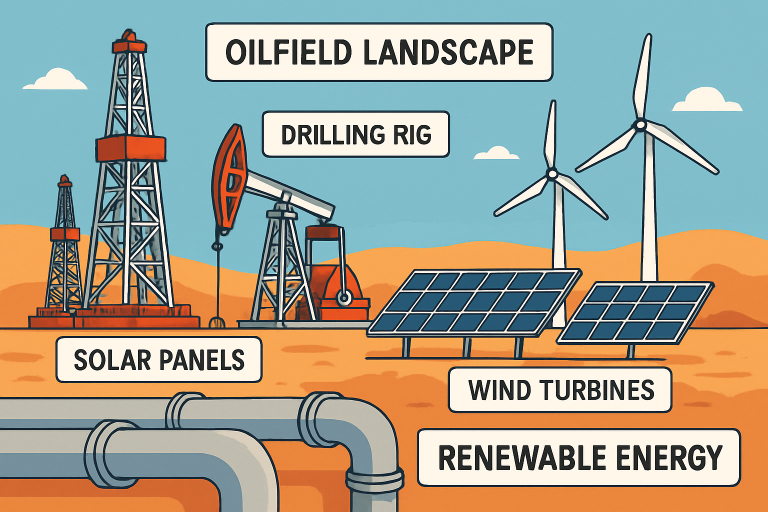
Drilling has always been a demanding, labor- and resource-intensive operation, but the recent rise of automation is transforming this essential activity. Autonomous drilling systems employ an integrated array of sensors, sophisticated artificial intelligence algorithms, and machine learning to continuously monitor and adjust drilling operations. These technologies give drill operators greater control and precision, enabling real-time adjustments in response to changing subsurface conditions and reducing both planned and unplanned downtime. According to a Reuters report, companies deploying autonomous drilling rigs are seeing tangible reductions in human-error-related accidents and dramatic improvements in project timelines. This increased efficiency allows companies to extract resources more responsibly, while also making projects safer for those working in the field.
Integration of Renewable Energy Sources
Bringing renewable energy sources—such as solar, wind, or even geothermal—onsite allows oilfield operators to diversify their energy mix and directly offset consumption from traditional, higher-emission sources. This strategy not only trims operational power costs but also significantly lowers the carbon footprint for oilfield operations. For example, using solar panels to power field offices, water treatment systems, or remote monitoring equipment is now a practical, increasingly prevalent solution that delivers measurable energy and emissions savings. Beyond cost and carbon reductions, these systems also reduce the logistical challenges of delivering fuels to remote or off-grid sites. The U.S. Department of Energy notes that hybrid oilfield sites, which combine renewables with conventional generation, could play a crucial role in accelerating the sector’s transition to cleaner, more sustainable energy sources (energy.gov).
Advanced Data Analytics and Machine Learning
The oil and gas sector is adopting real-time data collection and analysis through the Industrial Internet of Things (IIoT), enabling operators to gather extensive operational data. By utilizing advanced analytics and machine learning, companies can enhance decision-making and anticipate equipment failures through predictive maintenance. This proactive strategy extends asset lifespan and allows for adaptability to market changes and regulatory requirements. Ultimately, the integration of big data and intelligent automation helps maximize uptime, lower costs, and manage risks effectively.
Enhanced Water Management Practices
Freshwater remains a vital but often limited resource in modern energy production, making sustainable water management essential for responsible oilfield operations. A growing array of solutions, including closed-loop recycling systems, advanced filtration technologies, and on-site water treatment plants, is being deployed across the industry to reduce both consumption and the risk of contamination. These advanced water management practices help mitigate the risk of over-extracting local aquifers, reduce the environmental footprint of drilling and completion activities, and provide additional transparency for regulators and the communities that depend on safe water supplies. As regulatory expectations continue to rise and public focus on water stewardship intensifies, these strategies not only ensure compliance but also help build community trust and a positive industry reputation.
Digital Twin Technology
Digital twin technology represents a transformative innovation for oilfield asset management and operational efficiency. By creating a detailed virtual replica of critical infrastructure—ranging from drilling rigs and pipelines to processing plants—operators gain powerful, actionable insights into system performance, wear and tear, and potential failure points long before those issues can result in costly repairs or operational shutdowns. Digital twins enable simulating maintenance routines, evaluating the likely impact of equipment upgrades, and testing troubleshooting scenarios in the safety of a virtual environment. By using these tools, companies can make smarter, more proactive decisions, substantially reducing operational risks, maintenance costs, and unplanned downtime across their entire asset portfolio.
Carbon Capture and Utilization
As global climate targets become increasingly ambitious, oil and gas companies are investing heavily in sophisticated carbon capture, utilization, and storage (CCUS) projects. These initiatives are designed to capture carbon dioxide emissions at their source, then either safely store them deep underground or convert the captured CO2 into value-added products such as concrete, chemicals, or fuels. By taking direct action to trap and repurpose greenhouse gases, the industry is making significant progress in addressing climate change. The International Energy Agency has made clear that rapid, widespread deployment of CCUS technologies will be crucial to achieving global net-zero targets. For oilfield operators, these efforts not only help fulfill environmental and regulatory commitments—but they also create opportunities for new revenue streams and enhanced long-term sustainability.
Conclusion
The road toward a truly sustainable energy future for the oil and gas industry relies on companies’ willingness to continually adopt innovative technologies and implement environmentally responsible operational practices. As automation, digitalization, and clean-tech solutions gain acceptance throughout the sector, oilfield operations are becoming both more efficient and dramatically less harmful to the environment. These technology-driven improvements not only safeguard the world’s energy supply but also help ensure the industry’s relevance, adaptability, and positive reputation for many years to come.