Key Takeaways
- Seasonal changes directly affect pest activity and behavior in Indianapolis.
- Spring and summer bring a spike in insects such as mosquitoes, ants, and termites due to rising temperatures and increased moisture.
- Fall and winter push rodents and insects indoors, where they seek warmth and shelter in local buildings.
- Shifts in climate, such as milder winters, may extend or alternatively shift pest activity windows each year.
Understanding how pests respond to seasonal changes is crucial for residents and businesses in Indianapolis. With dramatic shifts in temperature and weather common across Marion County, the habits and presence of pests can change drastically throughout the year. In this urban Midwest environment, seasonal pest pressures call for a proactive approach to protection and prevention. You can learn more about tailored pest control strategies for Indianapolis neighborhoods and how to best safeguard your property.
The city’s mixture of riverfronts, historic neighborhoods, and dense residential developments provides unique habitats for a variety of pests. When winter hits and ice storms sweep through, or as muggy summers cook the White River valley, pest patterns react accordingly. Home and business owners who stay alert to these cycles are positioned to avoid infestations that could otherwise become bothersome and even dangerous.
Spring Awakening: Pest Activity Surges in the Circle City
As the frost melts and Indianapolis’s abundant gardens spring back to life, so do the pests. Longer days and frequent rains stimulate a burst in insect populations. It is common for homeowners in Broad Ripple, Irvington, and other neighborhoods lined with older homes to notice ants trailing inside in search of food, and swarming termites are especially troublesome around historic wood structures. Mosquitoes also begin to emerge along the city’s greenways and wet backyards, breeding in any standing water left by spring downpours.
Summer Peak: Humid Climates and Pest Problems
Hot, humid summers are notorious in Indiana for fueling pest outbreaks. According to local experts, mosquitoes thrive in the humid climate, doubling their populations rapidly. This increases the risk of mosquito-borne diseases such as West Nile virus in Indianapolis parks and neighborhoods. Another major summer pest, cockroaches, becomes more active indoors where air conditioning drives them to kitchens and basements in search of warmth. Their activity is highest when daytime temperatures climb over 78°F, encouraging faster breeding cycles and more frequent home encounters.
Fall Migration: Rodents and Insects Head Indoors
When autumn leaves start falling in Indianapolis’s older suburbs and suburban neighborhoods like Meridian-Kessler, more pests begin to seek warmth and refuge indoors. Rodents, specifically mice and rats, are infamous for sneaking into homes via foundation gaps or uncapped chimneys as nights turn chilly. Likewise, insects such as stink bugs and boxelder bugs gather on the sunny sides of homes before finding small entry points or damaged window screens to gain access. Awareness of these migration patterns is key to prevention during back-to-school and pre-holiday months.
Winter Survival: Indoor Pests Remain Active
Even though Indianapolis can expect fewer mosquitoes and outdoor bugs during deep winter, pest challenges do not disappear. Heated homes and apartment buildings provide inviting habitats for cockroaches, which may even increase in number during colder months if access to food is not well controlled. Rodents, too, persist in attics, crawl spaces, and basements, sometimes chewing on wires and insulation, creating risks of property damage and fire.
Impact of Climate Change on Indianapolis Pest Behavior
Weather variability is on the rise, and Indianapolis is not immune. Warmer winters that lack hard freezes allow pests such as mosquitoes and cockroaches to remain active longer into the year. Increased rainfall, often linked to changing climate patterns, means more standing water, which is a perfect breeding spot for pests. Flexible pest management strategies tailored to unpredictable seasons are becoming increasingly important for both homeowners and the city’s public health officials. National organizations like the CDC regularly update information on climate and pest-borne hazards, which can help inform local responses.
Urban Factors Affecting Local Pest Activity
Indianapolis’s urban design contributes to unique pest challenges. High building density downtown, overflowing dumpsters behind Mass Ave restaurants, and stormwater drainage issues in older neighborhoods all increase the availability of food and water for pests. Rat sightings are more common where garbage collection is inconsistent, while mosquitoes flourish in clogged gutters and unkempt alleys. Maintaining green spaces and community-wide attention to sanitation are important for reducing year-round pest problems.
Effective Pest Management Strategies for Indianapolis
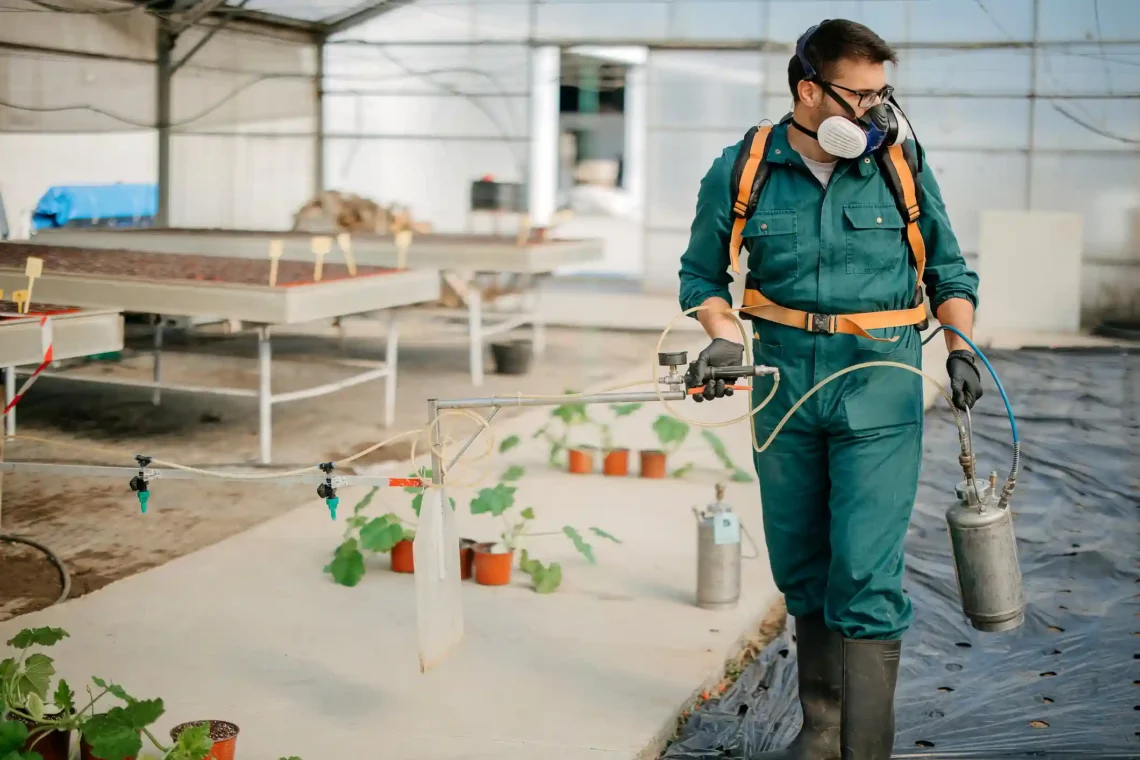
Local property owners should implement integrated pest prevention by sealing entry points, maintaining sanitation, and repairing structures. An IPM approach combines physical barriers, cultural methods, and targeted chemical applications when needed to achieve effective control. Regular inspections and proactive measures, especially during seasonal changes in Indianapolis, help reduce pest surprises and promote safer environments.
Conclusion
Understanding how seasonal changes influence pest activity helps Indianapolis homeowners and businesses stay one step ahead of infestations. By adapting prevention strategies year-round, maintaining clean, well-maintained properties, and addressing problems early, you can reduce pest risks and protect your property. When infestations become difficult to control, professional pest management services can provide effective, long-term solutions tailored to local conditions.