Key Takeaways
- The right neighborhood is the one that supports your real routine, priorities, and plans.
- Commute routes, errands, shade, road access, housing styles, and lot upkeep can vary widely across Tucson.
- Visit a neighborhood at several times of day before deciding how it feels to live there.
- Compare the full ownership picture, including utilities, association dues, maintenance, and transportation costs.
- Use a consistent scorecard to weigh location tradeoffs instead of relying only on first impressions.
Choosing a home in Tucson, Arizona, involves more than finding the right floor plan or the most appealing kitchen. A property can check every box during a showing, but still feel inconvenient if the surrounding neighborhood adds a difficult commute, frequent cross-town errands, limited shade, or more upkeep than expected. Buyers reviewing Tucson Homes For Sale can use Hazelbaker & Ranek’s Tucson real estate search to compare active residential listings, home styles, and locations across Tucson and nearby communities, including Oro Valley, Catalina Foothills, Northwest Tucson, Vail, and Sahuarita. Their local focus helps buyers begin to connect individual properties with the areas, routines, and trade-offs that shape day-to-day life.
Why the Neighborhood Matters as Much as the Home
A home is part of a larger system. Where it sits affects the drive to work, school pickup, grocery trips, medical appointments, recreation, and visits with friends or family. It can also affect how much time you spend in the car, how often you use outdoor space, and whether the home still fits your needs if they change. For example, one buyer may prefer a larger home on the edge of town with extra privacy and a generous yard. Another may happily choose a smaller home closer to daily services, dining, employment, and cultural destinations. Neither choice is automatically better. The better choice is the one that fits the buyer’s priorities without creating frustrating compromises every week.
Start With a Personal Needs List
Before touring homes, write down the non-negotiables that affect your everyday life. This list gives you a useful filter when an attractive listing creates pressure to overlook a location concern.
- Your preferred monthly housing budget, not only your maximum purchase price.
- The longest commute you are willing to make under normal conditions.
- Whether you need a garage, workshop, guest room, home office, yard, or storage.
- Your interest in older homes, newer construction, townhomes, condos, or larger desert lots.
- How close you want to be to trails, parks, restaurants, shopping, schools, and medical care.
- Your comfort level with hills, unpaved approaches, traffic, limited sidewalks, or longer drives.
- Plans involving children, pets, aging relatives, remote work, or future household changes.
Compare Tucson Areas by Daily Routine
Commute and Road Access
Test the routes you would actually use. A short distance on a map does not always produce a short trip when major intersections, school traffic, construction, or limited route options are involved. Drive from the neighborhood to your workplace, frequent destinations, and the airport during the times you expect to travel. It is also wise to review public information about major streets, transportation projects, and recorded plans. The City of Tucson’s maps and records resources can help buyers identify planning materials and transportation documents worth discussing with a real estate professional.
Errands and Services
Think about the places you visit repeatedly, not only the destinations you enjoy once in a while. Check the route to your preferred grocery store, pharmacy, gym, veterinarian, bank, medical office, and repair services. A neighborhood that requires a long drive for every basic errand may be a poor match for someone who values convenience.
Outdoor Comfort
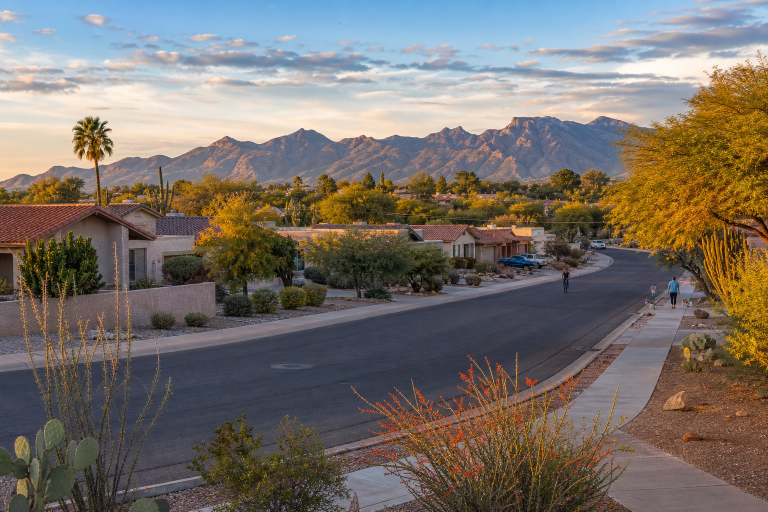
Tucson’s desert setting makes outdoor comfort a location-specific question. During a visit, look for mature trees, covered patios, sidewalks, trail connections, neighborhood parks, and other places where you would realistically spend time outside. Walk a few blocks. A short walk can reveal pavement conditions, noise, traffic speed, street lighting, and shade patterns that are easy to miss from a car.
Review Housing Styles and Lot Features
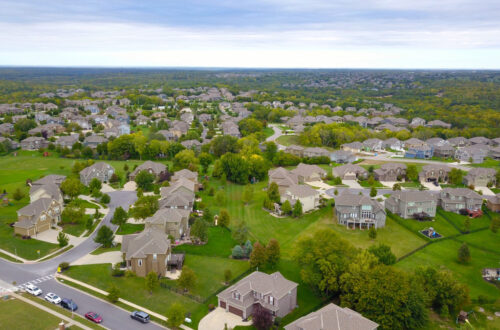
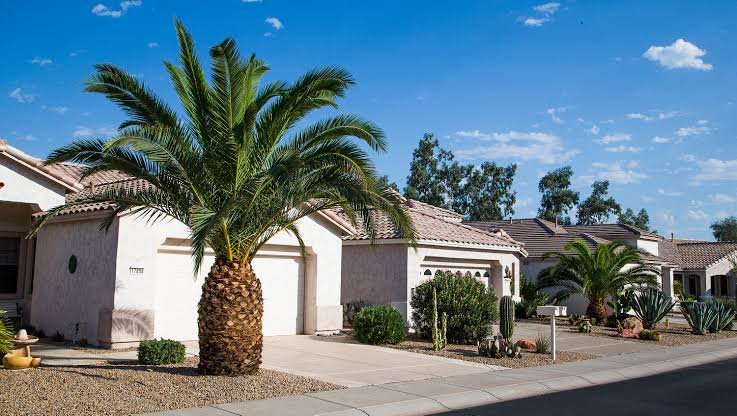
Tucson offers a broad mix of homes, from historic properties in established areas to newer subdivisions, attached homes, and residences on more secluded lots. Each option can bring a different balance of character, maintenance, privacy, and convenience.
- Older homes may offer established landscaping, architectural character, and larger lots, while also requiring careful attention to condition and potential updates.
- Newer homes may feature contemporary layouts and newer systems, but landscaping may be less established, and community rules may apply.
- Condos and townhomes can reduce some exterior maintenance responsibilities, although buyers should review association dues, rules, insurance responsibilities, and financial documents.
- Larger desert lots can provide room, privacy, and views, but may involve longer drives, more landscape work, or property-specific utility questions.
Check Costs Beyond the Listing Price
A lower listing price does not always mean a lower monthly cost. Compare the likely full cost of ownership before deciding which neighborhood represents the best value for your household.
- Estimate the mortgage payment, property taxes, and homeowners’ insurance.
- Ask whether there are homeowner association dues, transfer fees, or known assessments.
- Consider likely cooling and utility costs based on the home’s size, condition, windows, insulation, and exposure.
- Budget for landscaping, irrigation components, roof care, pest control, and exterior maintenance.
- Include fuel, vehicle wear, and time spent commuting or making regular errands.
- Request clarification on any unusual site, access, utility, or insurance issue before removing contingencies.
Research the Property and Surrounding Area
Online reviews can offer a starting point, but they are personal and often incomplete. Combine online research with site visits, conversations with professionals, public records, and direct observation. Look for nearby vacant land, commercial activity, road projects, drainage features, and signs of future development that could change the setting over time. Drainage deserves particular attention in a desert city where washes and heavy seasonal rain can affect individual properties differently. Buyers can use the City of Tucson’s floodplain information to understand how to investigate an address, then confirm property-specific questions with the appropriate professionals and official records.
Visit at Different Times Before Making an Offer
One quiet daytime showing is not enough to understand a neighborhood. Plan several brief visits to observe how the area functions under ordinary conditions.
- Weekday morning: Check school activity, traffic flow, parking, and commute conditions.
- Weekday evening: Notice lighting, noise, driveway access, business activity, and street parking.
- Weekend afternoon: Observe outdoor use, nearby errands, recreation, and the general pace of the area.
- After rain, when feasible: Pay attention to drainage, standing water, wash crossings, and access routes.
A Simple Neighborhood Scorecard
Use the same five-point rating system for every area you consider. Add notes immediately after each visit so details do not blur together.
- Commute: Score travel time, route choices, and traffic comfort.
- Daily errands: Score access to groceries, healthcare, services, and preferred destinations.
- Outdoor lifestyle: Score shade, walkability, trails, parks, and usable outdoor space.
- Home options: Score condition, lot size, housing style, and maintenance fit.
- Long-term fit: Score how well the neighborhood supports your likely needs over the next five to ten years.
Final Checklist Before Choosing a Tucson Neighborhood
- Visit the area more than once and at different times.
- Drive your expected commute during a realistic travel window.
- Compare at least three neighborhoods using the same criteria.
- Estimate the complete monthly cost of owning each home.
- Review association documents and property-specific disclosures when applicable.
- Investigate nearby planning, drainage, access, and infrastructure concerns.
- Choose the neighborhood that works for your real routine, not only the listing photos.
A single feature rarely defines the best Tucson neighborhood. By balancing convenience, space, outdoor comfort, ownership costs, and future flexibility, buyers can make a clearer decision and select a location that feels right long after closing day.
Conclusion
Choosing the right Tucson neighborhood means looking beyond the home itself and considering how the location will support everyday life. Commutes, errands, outdoor comfort, maintenance needs, housing costs, and plans can all influence whether a property remains a good fit. By visiting neighborhoods at different times, comparing total ownership costs, researching local conditions, and using a consistent scorecard, buyers can make a more informed choice. The goal is not to find a perfect neighborhood, but to find one that provides the right balance of convenience, comfort, affordability, and long-term fit for the household.