Key Takeaways
- Seasonal checks can reveal wear before it leads to an unexpected breakdown.
- Cold temperatures, moisture, ice, and road salt residue can affect garage door components.
- Homeowners can safely clean, inspect, and test certain features without adjusting hardware.
- Springs, cables, lift hardware, and track alignment require professional service.
- Photo-eye sensors and the auto-reverse feature are essential garage door safety systems.
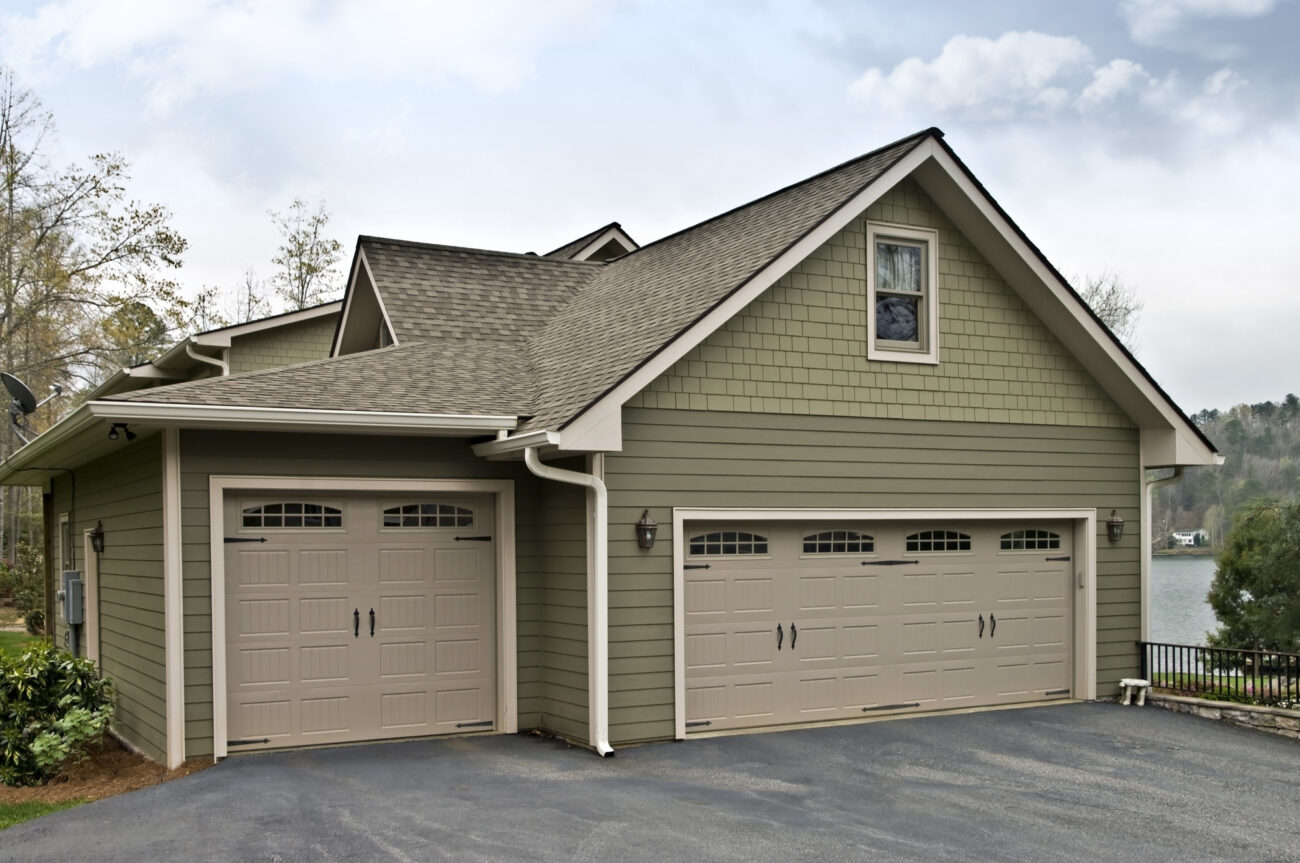
In Oconomowoc, a garage door has to handle humid summer days, wind-driven rain, falling leaves, snow buildup, and hard freezes. Because it is a large moving system used throughout the week, seasonal attention can help homeowners notice developing problems before the door becomes unreliable or unsafe. When a concern involves high-tension parts or a door that will not move normally, a qualified garage door contractor can assess the issue safely.
This checklist focuses on practical observations homeowners can make without disassembling the system. It also identifies the work that should not be attempted at home, including spring, cable, and track repairs.
Why Seasonal Care Matters in Oconomowoc
Garage doors contain panels, rollers, hinges, tracks, springs, cables, seals, and an opener that must work together. Changes in temperature and moisture can expose existing wear, while ordinary daily use gradually affects moving parts. A noisy roller, a bottom seal with gaps, or a door that moves unevenly may seem minor, but each is a reason to look more closely before the problem worsens.
Residential care is also relevant to local businesses with receiving areas and service bays. Buildings that rely on loading dock doors should keep travel paths clear and promptly report any unusual movements, since reliable operation supports safe daily deliveries.
Spring Check: Look for Winter Wear
Once snow and ice are gone, inspect the door from a safe distance. Look for rust, dents, cracked panels, loose-looking fasteners, worn weatherstripping, or debris along the floor near the tracks. Open and close the door while standing clear of its path, then listen for scraping, grinding, popping, or unusually loud squealing. Do not touch springs or cables. Springs store substantial energy and can fail without much warning.
Summer Check: Prepare for Heavy Use
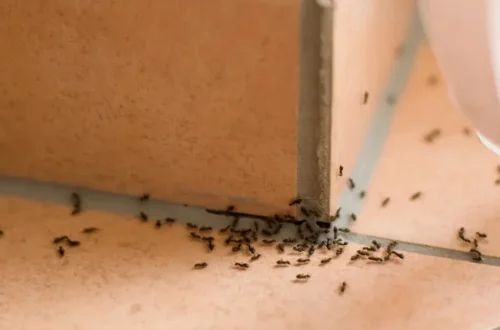
Summer often means more trips through the garage for bicycles, lawn equipment, sports gear, and outdoor projects. Clean exterior panels with mild soap, water, and a soft cloth, following the door manufacturer’s care instructions. Avoid directing a pressure washer at seams, weather seals, hardware, or the opener. This is also a useful time to look for hail marks, pest entry points, water staining, and fading or peeling finishes.
Fall Check: Get Ready for Cold Weather
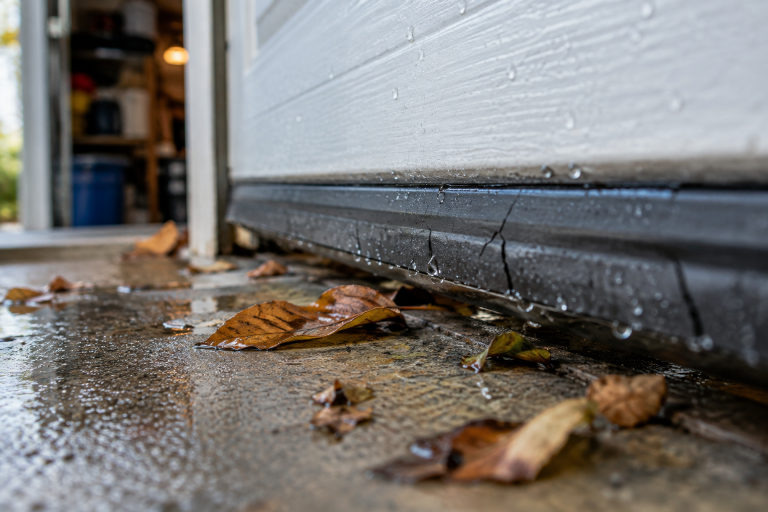
Fall is a sensible time to address small issues before freezing weather arrives. Close the door during daylight and look for gaps around the perimeter. A damaged bottom seal can allow drafts, rain, melting snow, insects, and debris into the garage.
- Check whether the door sits evenly against the floor.
- Inspect the bottom seal for cracks, brittleness, or flattened sections.
- Remove stored items from the door’s travel path.
- Review the emergency-release instructions in the opener manual.
- Arrange repairs before a problem becomes urgent during winter.
Winter Check: Avoid Frozen and Strained Parts
Never repeatedly run an opener when a door appears frozen to the ground or rises only a short distance. Ice at the threshold, a broken spring, or another mechanical problem can prevent normal movement, and repeated attempts may strain the opener. Clear snow away from the door’s path and check for ice near the bottom seal. Avoid sharp tools that could tear the seal or damage the panel finish. A crooked, heavy, or stuck door should remain out of service until it can be evaluated.
Simple Garage Door Safety Tests
Check the Photo-Eye Sensors
Photo-eye sensors are normally positioned near the floor on either side of the opening. Keep their lenses clean and make sure boxes, shovels, or other stored items do not block them. If the door will not close or reverse unexpectedly, check the owner’s manual for the model-specific sensor indicator lights and troubleshooting steps.
Test the Auto-Reverse Feature
Test the auto-reverse system only when children, pets, vehicles, and stored belongings are clear of the area. Follow the opener manufacturer’s instructions for the correct test method. Federal requirements apply to automatic residential operators, and the mandatory federal safety standard for automatic garage door operators underscores the need to address any failed safety test before normal use resumes.
Safe DIY Tasks and Professional Repairs
Homeowners can generally wipe photo-eye lenses, clean exterior panels, remove leaves from the threshold, inspect weatherstripping, and note changes in sound or movement. They should not adjust torsion or extension springs, replace frayed cables, alter tracks, repair a door that has come off track, or remove brackets connected to the spring system. Those repairs involve specialized knowledge and components under tension.
What to Do After Storm Damage
High winds, hail, and falling branches can dent panels, bend tracks, damage seals, or break windows. Photograph visible damage, avoid operating a visibly distorted door, and contact an insurer when the damage may be covered. When selecting help, request a written estimate, confirm the scope of work, and retain records of payments and communications. Wisconsin homeowners should also follow the state’s advice to use caution when seeking repairs after storm damage, particularly when approached by unsolicited repair crews.
Common Questions
How Often Should a Garage Door Be Checked?
A quick visual check each month and a more detailed review as seasons change can help identify noticeable wear. Doors used many times per day may need closer observation.
Why Does a Garage Door Struggle in Cold Weather?
Ice along the floor, frozen weather seals, and stiffness in moving components can interfere with operation. Do not force the door if it does not move normally.
Can Homeowners Lubricate Garage Door Parts?
Use only products and locations approved in the owner’s manual. Tracks are not automatically a lubrication point, and springs, cables, and major adjustments should be left to trained technicians.
When Might Replacement Be Worth Considering?
Repeated breakdowns, severe structural damage, outdated safety features, poor weather sealing, and rising repair needs are all reasons to compare repair and replacement options with a qualified professional.