Key Takeaways
- Seasonal weather changes can affect where pests feed, nest, and seek shelter.
- Prevention usually starts by reducing food, water, shelter, and access points.
- Regular yard care, drainage checks, storage habits, and minor repairs can lower pest pressure.
- Repeated sightings, property damage, rodent evidence, and nests near active areas deserve prompt attention.
Pest prevention is most effective when it becomes part of normal home maintenance rather than a response to a single unwelcome sighting. Small changes around the exterior, kitchen, garage, and storage areas can make a property less appealing to many common pests throughout the year. When recurring activity is difficult to identify or manage, working with a local home-services provider such as Pointe Pest Control can help homeowners focus on the conditions that may be contributing to the problem, not just the pests that are visible.
Why Pest Activity Changes With the Seasons
Temperature, rainfall, and moisture influence pest behavior. Warm periods can increase insect movement, while heavy rain may disturb nests or saturate outdoor hiding places. During dry weather, pests may search for reliable moisture around irrigation systems, pet bowls, leaking hoses, and shaded landscaping. As temperatures cool, rodents and insects may move toward protected spaces such as garages, attics, crawl spaces, basements, and wall voids.
Seasonal activity does not automatically mean a home is unclean or neglected. Even well-maintained properties can have gaps, moisture issues, dense vegetation, or nearby food sources that make access easier.
The Four Conditions That Attract Pests
A practical prevention plan considers four basic needs: food, water, shelter, and access. The integrated pest management principles promoted by the Environmental Protection Agency emphasize inspection, monitoring, prevention, and targeted control instead of relying on routine spraying alone.
- Food: Open trash, spilled pet food, fallen fruit, birdseed, and residue around grills can draw pests close to the home.
- Water: Dripping faucets, clogged gutters, wet mulch, plant saucers, and standing water can create useful moisture sources.
- Shelter: Leaf piles, wood stacks, cardboard, clutter, dense shrubs, and unused materials provide protected hiding places.
- Access: Loose door sweeps, damaged screens, foundation cracks, roofline gaps, and utility openings may allow pests indoors.
A Seasonal Pest Prevention Checklist
Spring: Check New Growth and Moisture
- Trim branches, vines, and shrubs so they do not touch siding, windows, or roof edges.
- Inspect gutters and downspouts after periods of rain.
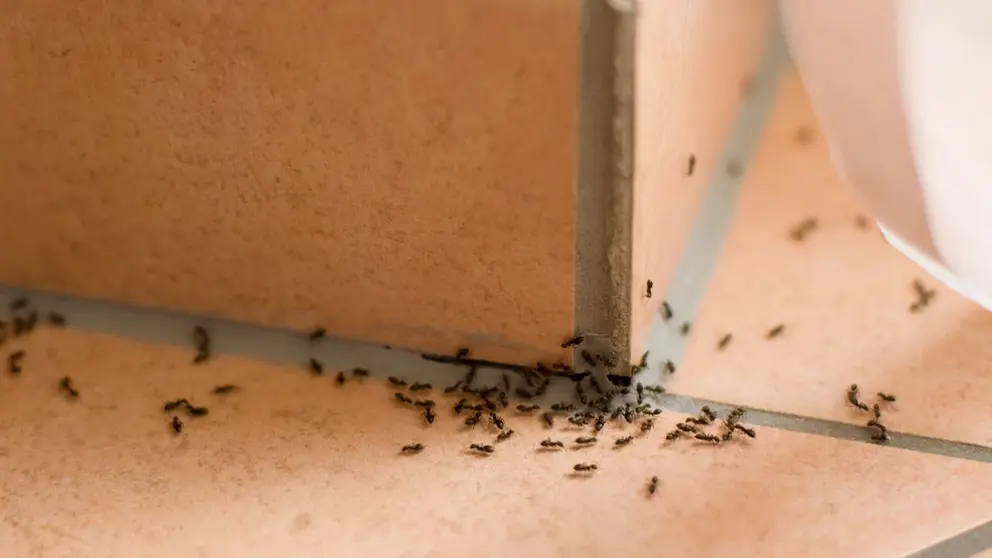
- Look for ant trails near foundations, patios, kitchens, and windows.
- Check garages, crawl spaces, and basements for dampness or leaks.
- Repair worn weatherstripping, torn screens, and damaged door sweeps.
Summer: Limit Outdoor Food, Water, and Shelter
- Empty water from toys, buckets, planters, and other outdoor containers.
- Clean grills, patios, and outdoor eating areas after use.
- Keep garbage can lids closed and rinse food residue from recyclable containers.
- Store pet food indoors when practical, especially overnight.
- Watch for wasp nests near roof edges, decks, sheds, and play areas.
Fall: Remove Hiding Places Before Cooler Weather
- Keep firewood elevated and away from exterior walls.
- Clear leaves and debris from foundation edges and window wells.
- Seal gaps around pipes, cables, vents, doors, and utility lines.
- Inspect attics, garages, and storage areas for droppings, gnaw marks, or nesting material.
- Use sealed plastic bins for seasonal storage instead of relying on cardboard boxes.
Winter: Inspect Protected Indoor Areas
- Check near baseboards, windows, fireplaces, and warm utility areas for insect activity.
- Inspect stored belongings before bringing them into living spaces.
- Listen for scratching in walls or ceilings and check food packages for damage.
- Keep foundation vents, access doors, and garage seals in good condition.
- Continue monitoring for condensation, plumbing leaks, and excess indoor moisture.
How Yard Care Can Reduce Pest Pressure
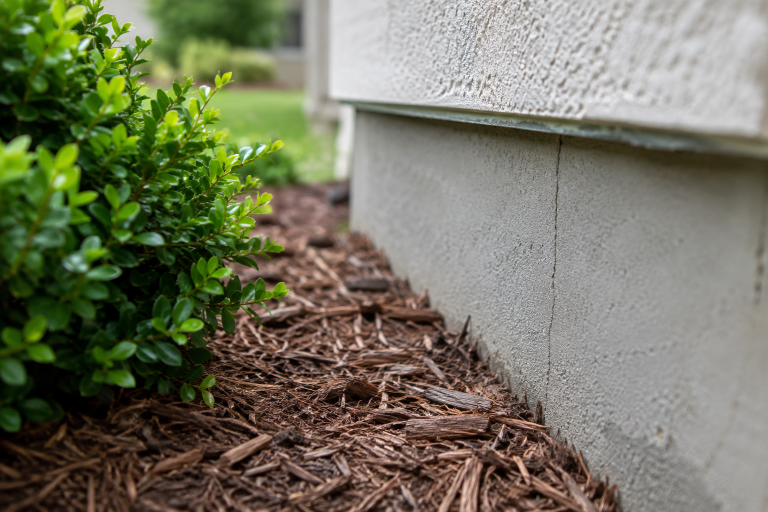
A healthy yard does not need to look bare or overly manicured, but it should not create an easy path to the house. Dense vegetation can hold moisture and provide shelter, while limbs touching the roof or siding can become travel routes. Keep plants trimmed back from the structure, remove fallen fruit, and clean up scattered birdseed when possible. Avoid allowing mulch, leaves, wood piles, or unused materials to build up directly against the foundation.
Simple Ways to Block Entry Points
- Check door sweeps, window screens, and weatherstripping for gaps or damage.
- Seal small cracks around foundations and exterior walls with materials suited to the surface.
- Inspect areas around plumbing, electrical lines, vents, and air-conditioning equipment.
- Repair gaps around garage doors, crawl-space doors, attic access panels, and roofline features.
- Keep gutters clear and direct downspouts away from the foundation where appropriate.
Rodent Warning Signs to Watch For
Rodents often leave evidence before anyone sees one. The CDC advises homeowners to check for signs such as droppings and gnaw marks, remove food and water sources, and seal openings around the home to reduce the chance of an infestation.
- Droppings in drawers, cabinets, garages, or along walls.
- Chewed food packages, insulation, stored items, or wiring.
- Scratching noises in ceilings, walls, or crawl spaces.
- Grease marks along repeated travel routes.
- Nests are made from paper, fabric, insulation, or dried plant material.
When a Single Sighting Needs More Attention
One ant, spider, or occasional outdoor insect does not always indicate a larger problem. Take a closer look when activity repeats in the same area, trails appear, pests continue after cleaning and repairs, or a nest is located near a doorway, patio, or play space. Termite evidence, bed bug concerns, rodent activity, stinging insects near heavily used areas, and visible property damage are also reasons to act quickly.
Safe Product Use and a 30-Minute Inspection
Identify the pest before selecting any product, then read and follow the entire label. Use products only in approved locations, keep children, pets, food, and dishes away as directed, and never mix products or apply more than the label allows. Traps, sanitation, exclusion, and habitat changes may solve some problems without broad treatment.
For a quick inspection, walk the exterior for gaps, standing water, clutter, and vegetation touching the home. Then check doors, vents, utility openings, gutters, cabinets, plumbing areas, appliances, garages, sheds, and storage spaces. Record what you find, where it occurred, and when you noticed it. Address the simplest source first, such as a leak, food spill, or entry gap.
Conclusion
Seasonal pest prevention is a routine of observation and small corrections. Better drainage, trimmed vegetation, protected food storage, reduced clutter, and sealed entry points can make a home less inviting throughout 2026. If activity keeps returning, focus on finding and correcting the underlying source rather than treating only the visible symptom.