Key Takeaways
- High humidity in crawlspaces can lead to significant household problems, including structural damage, poor air quality, and pest infestations.
- Encapsulation provides a practical and long-term solution for maintaining crawlspace health by controlling moisture levels.
- Routine monitoring and maintenance of encapsulated crawlspaces are crucial for lasting benefits and efficiency.
Table of Contents
- Understanding Crawlspace Humidity
- Consequences of High Humidity in Crawlspaces
- The Role of Encapsulation in Moisture Control
- Benefits of Crawlspace Encapsulation
- Implementing Crawlspace Encapsulation
- Monitoring and Maintenance
- Final Thoughts
Understanding Crawlspace Humidity
Maintaining healthy humidity levels in a crawlspace is crucial for protecting your home’s structural integrity and ensuring the well-being of its occupants. When excess moisture seeps in from the ground or surrounding air, it can disrupt indoor comfort and even jeopardize your living environment. Left unchecked, high humidity acts as a silent catalyst for a range of household issues that can be costly and time-consuming to repair. Addressing crawlspace moisture is just as vital as outdoor upkeep, such as Fort Worth tree care, in preserving your property’s overall value and safety.
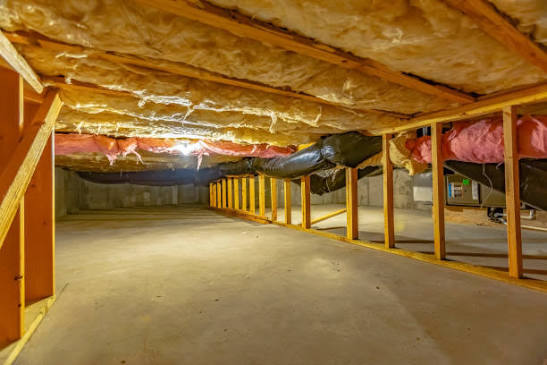
Crawlspaces are particularly vulnerable to humidity because of their proximity to the earth and frequent ventilation, both of which invite external moisture inside. This moist air can quickly condense on cooler surfaces within the crawlspace, creating persistent dampness. Over time, this environment creates ideal conditions for mold, wood rot, and other issues, posing risks not only to the integrity of your house but also to the quality of the air your family breathes.
Aside from structural and air quality concerns, high crawlspace humidity provides a welcome habitat for unwanted pests. Insects and rodents thrive in moist, enclosed places, leading to further hazards for homeowners. Understanding the chain reaction set off by humidity helps highlight why crawlspace encapsulation is a top priority in preventive home maintenance.
Consequences of High Humidity in Crawlspaces
- Mold and Mildew Growth: Damp crawlspaces foster rapid mold and mildew growth. Not only do these contaminants weaken surfaces, but their spores can travel into living spaces, impacting allergies and respiratory health. According to the Centers for Disease Control and Prevention (CDC), exposure to damp environments and mold has been linked to an increased risk of asthma, cough, and wheezing in otherwise healthy individuals.
- Structural Damage: Moisture is a leading cause of wood rot in crawlspaces, which can cause the deterioration of beams, joists, and floors. Over the years, unnoticed water damage can compromise the building’s stability and necessitate major repairs.
- Pest Infestations: Uncontrolled moisture attracts termites, ants, mice, and rats, all of which exploit weakened entry points and multiply rapidly in hidden, damp areas.
- Increased Energy Costs: Humid air requires your heating and cooling systems to work harder to maintain a comfortable indoor temperature. The U.S. Department of Energy notes that unsealed crawlspaces increase energy consumption and utility costs in addition to affecting comfort.
The Role of Encapsulation in Moisture Control
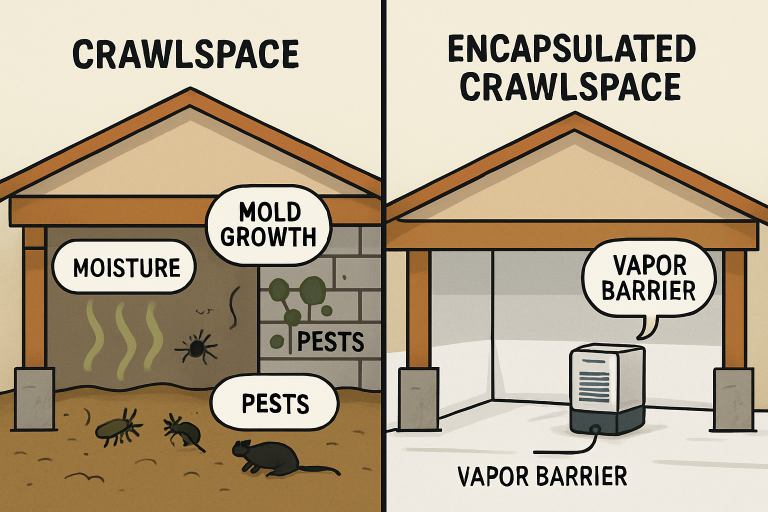
Encapsulation provides a comprehensive and modern solution for managing moisture in crawl spaces. The process involves installing a thick, impermeable barrier—usually a reinforced plastic sheet—across all exposed soil and surfaces. Vents and small openings are then sealed to prevent humid outside air from entering and condensing inside the crawlspace, further stabilizing internal humidity levels. In cases where surrounding trees or root systems may be affecting soil moisture, consulting a certified Arborist can help identify and mitigate exterior factors contributing to crawlspace humidity.
How Encapsulation Works
Encapsulation creates a controlled, dry environment beneath your home. With a vapor barrier in place, water vapor from the ground is prevented from seeping upwards. When vent seals and dehumidifiers are used in conjunction with the barrier, the crawlspace remains dry year-round, drastically reducing the risk of all moisture-related problems.
Benefits of Crawlspace Encapsulation
- Improved Indoor Air Quality: As up to 50% of household air originates from the crawlspace, reducing mold and mildew through encapsulation has direct, positive effects on interior air quality for all occupants.
- Enhanced Structural Integrity: Keeping moisture out preserves the condition of wood structures, minimizing rot, warping, and decay.
- Energy Efficiency: Encapsulation insulates and dries the lower levels of your home, easing the strain on HVAC systems and lowering monthly bills.
- Pest Prevention: Dry, sealed crawlspaces deter insects and rodents, making infestations far less likely.
Implementing Crawlspace Encapsulation
- Inspect and Repair: Begin with a thorough inspection, addressing any standing water, leaks, or existing damage. Professional assessment is highly recommended for comprehensive repairs.
- Clean the Area: Clear out debris and treat mold-affected areas. Any persistent growth should be addressed with EPA-approved treatments to ensure safe remediation.
- Install a Vapor Barrier: Lay a heavy-duty plastic or polyethylene sheet across dirt floors and up the walls, overlapping seams and securing all edges with tape or fasteners for a tight seal.
- Seal Vents and Openings: Block off all exterior vents and gaps to eliminate sources of humid air and energy loss.
- Install a Dehumidifier: A crawlspace-specific dehumidifier will keep the area at ideal humidity levels, making the encapsulation system more effective and less reliant on external climate conditions.
Monitoring and Maintenance
The continued effectiveness of your encapsulation system depends on periodic inspections and proactive upkeep. Homeowners should inspect their vapor barrier regularly for any tears, deterioration, moisture buildup, or re-emergence of pests. Dehumidifiers should be cleaned and serviced according to manufacturer guidelines to prevent malfunction or microbial growth. Professional annual reviews help ensure that minor issues are identified and addressed before they escalate into more expensive problems.
Final Thoughts
Addressing crawlspace humidity through encapsulation is an investment in your home’s comfort, health, and long-term value. It protects against hidden hazards, supports greater energy efficiency, and contributes to a healthier living environment for you and your family. By combining regular monitoring with quality installation and repair, homeowners can enjoy peace of mind and a property that remains secure for years to come.