Understanding Your Climate
Begin by thoroughly evaluating the local weather patterns in your area. Ask yourself how often you experience temperature extremes—are summers blisteringly hot, or do winters bring heavy snow? Consider issues like frequent rainfall, high winds, humidity, hail, or the risk of hurricanes and wildfires. Each factor imposes distinct demands on roofing materials, determining what works best regarding temperature resistance, moisture management, and structural robustness. For example, roofs in hurricane-prone regions need to withstand high winds and flying debris. In contrast, roofs in snowy areas need to hold significant weight without risking collapse. Factoring in both seasonal climate and occasional severe weather events will help you prioritize the features that matter most for your home and ensure your investment stands the test of time.
Roofing Materials for Various Climates
Hot and Arid Climates
Homes in hot, dry regions benefit from roofing materials that expertly reflect solar rays and resist potential sun damage. Prolonged exposure to intense sunlight can cause some materials to fade, crack, or deteriorate faster. Therefore, the right roofing company can help keep your interiors cool, reduce the need for air conditioning, and reduce energy costs during scorching summers. Consider these options for maximizing performance in these areas:
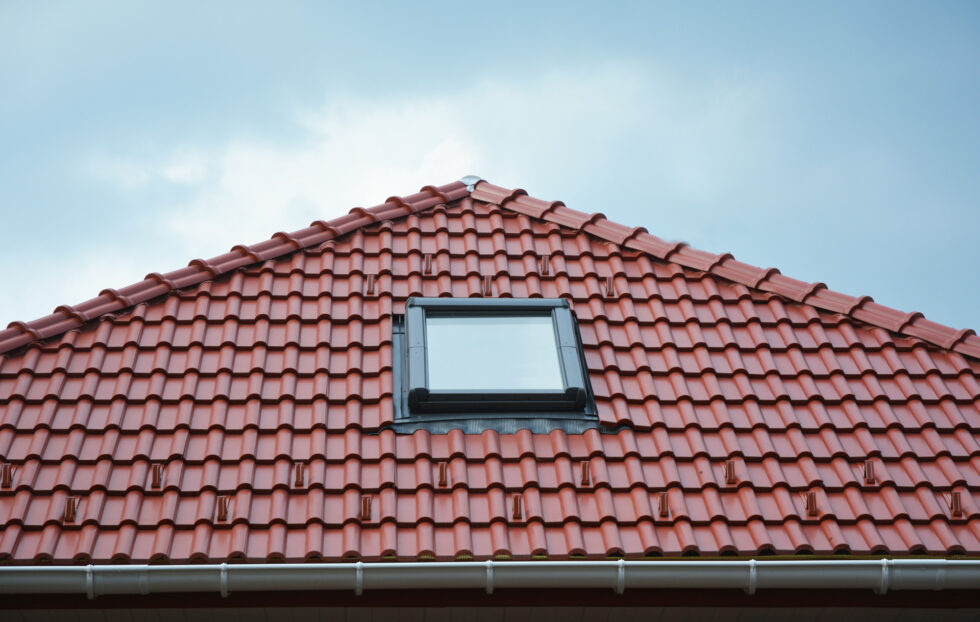
- Clay and Terracotta Tiles: Their curved profiles promote excellent air flow beneath the surface, enhancing insulation. The tiles’ natural thermal mass helps regulate indoor temperatures by reducing heat transfer into your living spaces, keeping rooms cooler without overworking your AC.
- Metal Roofing with Reflective Coatings: Today’s reflective metal roofing can bounce up to 70% of the sun’s powerful rays away from your home, providing significant energy savings and preventing heat absorption that would otherwise warm your attic and living areas. Metal roofing is also naturally resistant to cracks and warping caused by repeated sun exposure.
- Concrete Tiles: Like clay, concrete tiles can absorb and slowly release heat, moderating temperature swings and deepening energy efficiency. Their resilience means they withstand years of exposure despite harsh, dry conditions.
Cold and Snowy Climates
Regions that regularly deal with heavy snow, ice buildup, and deep freezes need materials engineered to withstand weight and resist freeze-thaw cycles that can prematurely weaken the roof structure. Problems like ice dams, which trap melting snow and force water under the shingles, are common in these regions—so it’s critical to pick a roofing material designed for such stressors. It’s also wise to evaluate the condition of your siding simultaneously, as moisture intrusion and ice buildup can affect vertical surfaces just as much as the roof.
Metal Roofing: The smooth surface of a metal roof encourages snow to slide off quickly rather than accumulating and adding excessive load. This feature helps minimize the danger of roof collapses and ice dam formation, which can cause extensive (and expensive) damage.
Slate Roofing: Renowned for its incredible durability, slate withstands harsh winters without cracking, warping, or absorbing water. Its heavy weight gives it excellent stability, and it resists damage from freezing and thawing cycles.
- Asphalt Shingles: Widely used for their affordability, asphalt shingles are designed to shed snow efficiently, and many newer versions include reinforcements to improve their resistance to harsh weather conditions.
Coastal and Windy Areas
Resilient, windproof, and corrosion-resistant roofing is crucial for homes facing strong winds and tropical storms. Aluminum roofing is ideal due to its natural resistance to rust and corrosion. Metal shingles with interlocking systems prevent leaks and damage during hurricanes. With its flexibility and natural oils, Cedar shakes can withstand wind and rain but require regular maintenance.
Rainy and Humid Climates
In wet and humid climates, roofing materials like Standing Seam Metal Roofs, Asphalt Shingles with Fiberglass Reinforcement, and Composite Roofs are essential for maintaining a healthy home envelope. These materials provide watertight surfaces, resist moisture seepage, and offer durability, ensuring leak-free performance even in wet and muggy conditions.
Fire-Prone and Drought-Stricken Areas
Where wildfires are a threat, your roofing choice can mean minor damage and total loss. Non-combustible, fire-rated materials protect your home from airborne embers and radiant heat.
- Metal Roofs: Naturally fireproof, metal roofs often top the charts for safety and insurance savings in high-risk fire zones. They don’t ignite, and embers that land on the roof are far less likely to cause ignition.
- Clay or Concrete Tiles: These tiles offer similar flame resistance and last decades. Their density helps block intense heat, though it’s important to ensure your roof’s structure can support the heavy weight of these materials.
- Synthetic Roofing Materials: Modern synthetic options are designed to replicate the natural look of wood or stone but are made with advanced polymers that offer Class A fire ratings. Many of these are also lighter and easier to install on roof structures.
Additional Considerations
- Energy Efficiency: Reflective and insulated roofing materials can significantly reduce cooling expenses, particularly in areas with strong sunlight. For instance, reflective-coated metal roofs lower household energy costs by up to 40% in summer.
- Durability and Maintenance: The upfront price of roofing materials is only part of the equation. Consider the lifespan of each option, how much maintenance it will require, and if repairs will be simple or costly—these factors can lead to considerable savings over decades.
- Aesthetic Appeal: Your roof is one of your home’s most visible features. Choose a material and style that harmonizes with your home design and boosts curb appeal, enhancing your property value.
Consulting Professionals
For the best possible results and lasting peace of mind, partner with expert roofing contractors who understand local climate demands and current best practices. Professionals can assess your home’s structure, recommend appropriate roofing materials, and guarantee safe, precise installation. They have the experience necessary to navigate regional building codes, manufacturer warranties, and any unique requirements specific to your property. Ultimately, their skilled guidance helps protect your investment so your home stays comfortable, safe, and attractive for years.
By carefully considering your local climate, prioritizing the right features, and seeking professional advice, you’ll be able to confidently choose a roofing solution that delivers outstanding comfort, durability, weather resistance, and value—securing your home’s future against whatever Mother Nature brings your way.