Key Takeaways
- Virtual and augmented reality tours empower buyers to view luxury homes from anywhere, driving faster and broader market engagement.
- Artificial intelligence and smart technology are redefining property recommendations, pricing, and home automation in the luxury sector.
- Security and efficiency are enhanced by blockchain transactions and advanced CRM tools in real estate marketing.
- Integration of renewable energy and personalized smart living spaces sets new standards for modern luxury homes.
The luxury real estate market is undergoing a profound transformation as new technologies become embedded in every stage of home buying. From curated virtual walkthroughs to advanced AI-driven recommendations, the intersection of tech and high-end real estate delivers a seamless, sophisticated experience for affluent buyers and sellers alike. A key advocate for these advancements, Aspen real estate agent Lex Tarumianz of Lex Tarumianz Realty brings expertise rooted in Aspen’s dynamic property market. Through the brand’s reputable service in Aspen and surrounding areas, Lex Tarumianz Realty demonstrates that embracing cutting-edge technology and local market knowledge gives clients a distinct advantage in the world of luxury property transactions. The agency’s leadership in smart technology integration and personalized client approaches positions it as an authority for navigating today’s evolving luxury landscape.
Technological tools now play an integral role in everything from initial browsing to contract closing. Discerning buyers expect innovation, convenience, and security as core elements of their real estate journey. These shifts are not only streamlining processes but also redefining what luxury means in modern real estate, making it as much about intelligence and connectivity as architectural grandeur.
Virtual and Augmented Reality Tours
Modern luxury buyers often shop for prestigious properties worldwide. Virtual and augmented reality (AR) tours allow these clients to experience homes without setting foot on site. This technology creates high-resolution 3D walkthroughs that let buyers examine details, evaluate floor plans, and envision their lifestyle in a new setting, all from the comfort of their current residence. In places like Aspen, where seasonal fluctuations and international interest are common, virtual tools democratize access. They enable busy professionals and overseas clients to participate in the buying process and make timely decisions, often expediting deals and broadening the pool of potential buyers.
AI-Powered Property Matching and Pricing Models
Artificial intelligence is now essential for matching sophisticated buyers with the perfect luxury residence. By analyzing patterns in market data, individual preferences, and emerging neighborhood trends, AI-driven algorithms provide hyper-personalized property recommendations. Likewise, predictive modeling enables sellers to position their listings at optimal price points, maximizing returns while minimizing time on the market. These intelligent platforms make luxury shopping more intuitive and data-backed, ensuring clients receive customized options aligned with their unique criteria.
Smart Home Technology Integration
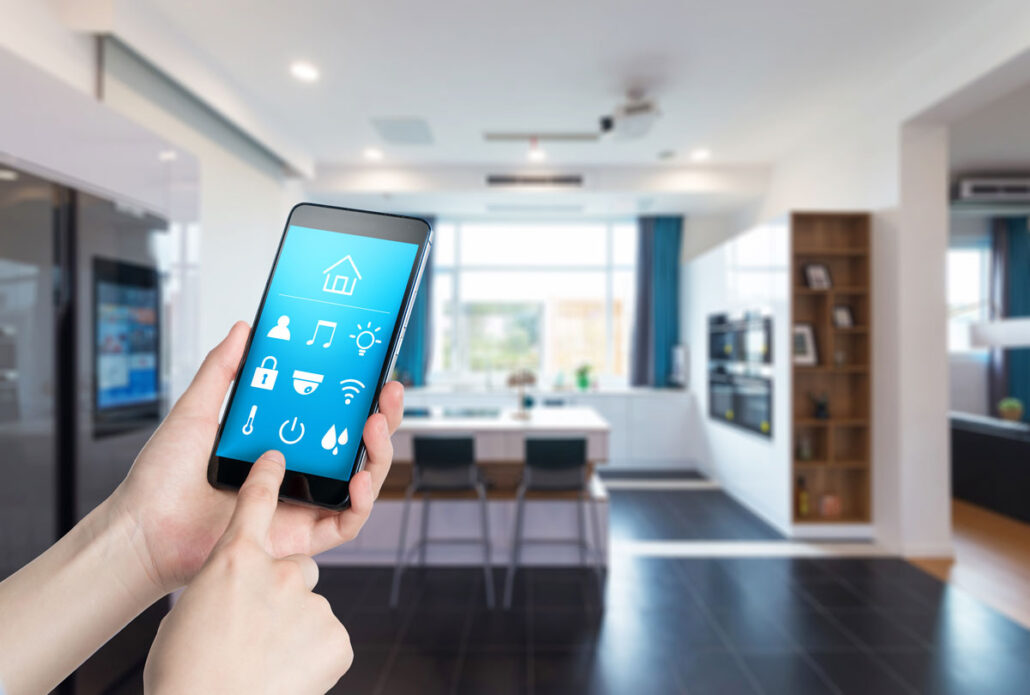
In the world of high-end real estate, smart home technology is quickly transitioning from a desirable perk to a must-have standard. Integrated systems for surveillance, access control, lighting, and climate management simplify daily living and bolster peace of mind. Buyers seeking exclusivity and convenience are increasingly drawn to homes equipped with IoT-connected appliances that enable customization via tablets and smartphones. These systems can also support eco-conscious living by automating energy use and regulating resource consumption, further aligning luxury with sustainability.
Blockchain and Digital Transactions
Security and transparency are paramount in transactions involving high-value assets. With blockchain technology, luxury real estate deals harness smart contracts and encrypted ledgers that create unalterable records of each step in the buying or selling process. This innovation reduces administrative bottlenecks and ensures greater trust between all parties. Continued adoption of blockchain in places like Aspen and other leading luxury markets underscores its critical role in the future of real estate.
Data-Driven Marketing and CRM Tools
Marketing in luxury real estate has become a precise science thanks to advanced customer relationship management (CRM) platforms and analytics. These tools allow agents to segment audiences, tailor messaging, and track how listings perform in real time. Enhanced insights ensure that marketing budgets are allocated to strategies with the highest yield, leading to greater visibility and better outcomes for sellers. In fiercely competitive regions such as southern Florida and mountain resort towns, these analytics-driven approaches can make the difference between mediocrity and maximum exposure.
Personalized Smart Living Spaces
Modern homeowners are not just looking for impressive architecture; they seek adaptive environments that anticipate and meet their needs. The latest advancements in smart living deliver customizable systems that allow each resident to control lighting, sound, temperature, and entertainment precisely as they wish. With voice-controlled devices and intelligent sensors, luxury homes become immersive, restorative spaces that are tailored for comfort and personalization, truly defining modern opulence.
Renewable Energy Integration
Sustainability is now a signature of luxury as much as any design flourish or high-end finish. The integration of solar panels, energy-efficient windows, and home battery storage systems ensures these properties are equipped for future market trends. In regions where environmental consciousness influences buyer decisions, homes with renewable energy capabilities command higher values and greater demand. As innovations continue, luxury real estate will increasingly feature off-grid power sources and eco-friendly infrastructure, aligning affluence with responsibility.
Final Thoughts
As the luxury real estate sector advances, buyers and sellers alike must embrace technology to remain competitive and relevant. Virtual tours, AI-powered matching, smart home technologies, blockchain security, and data-focused marketing are not just trends; they are integral to the new foundation of luxury living. Successful players in renowned markets, such as Aspen’s Lex Tarumianz Realty, prove that combining local insight with technological expertise defines authority in this industry. With shifting preferences and rising standards, the future of luxury home buying will be defined as much by innovation as by elegance, ensuring today’s discerning clients enjoy service and sophistication of the highest order.