Key Takeaways
- Seal entry points to prevent pests from invading your home.
- Practice regular cleaning habits that eliminate attractants such as food and standing water.
- Maintain the exterior of your home to reduce hiding places for pests.
- Use natural solutions and traps for safe, effective prevention.
- Contact professionals for persistent or challenging infestations.
Keeping your home free from pests is crucial for maintaining a safe, healthy, and inviting living space. Proactive steps help you avoid both the nuisance and the potential health risks that come with pest infestations. If you want to learn more tips or find professional help for pest concerns, visit the website for expert pest control solutions that prioritize your comfort and peace of mind.
Homeowners often discover that small changes in daily routines can make a significant difference in discouraging pests. By focusing on prevention and consistency, you can keep insects and rodents from becoming an issue in the first place.
For those dealing with recurring pest issues, understanding the best practices for both indoor and outdoor environments is key. With the correct strategies, you can significantly reduce the chances of attracting unwanted guests and protect your property from costly damage.
Combating common household pests can feel overwhelming, but a comprehensive strategy can safeguard your home year-round. From blocking entry points to maintaining high standards of cleanliness, every effort counts.

Seal Entry Points
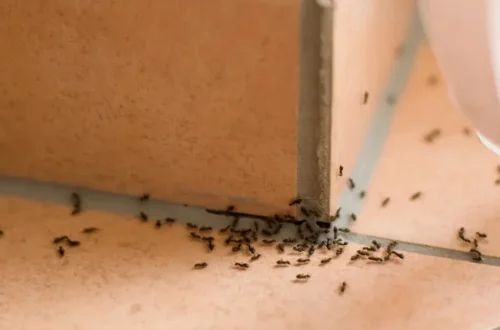
Pests, including ants, cockroaches, and rodents, are skilled at finding their way indoors through the smallest of cracks and gaps. Carefully inspect window and door frames, baseboards, utility entry points, and wall seams. Use caulk or weatherstripping to seal these openings, and replace any worn-out screening on windows or vents. A consistent effort will greatly reduce the likelihood of uninvited pests entering your living spaces.
- Walk around your home’s foundation to search for entry points near plumbing and wiring.
- Install door sweeps and repair holes in window screens.
- Tightly seal gaps around pipes with expanding foam or an appropriate sealant.
As reported by The Washington Post, sealing all minor gaps between the indoors and outdoors is one of the most straightforward ways to deter a variety of pests.
Maintain Cleanliness
Pests are drawn to the readily available food and water inside your home. Store all food, including pet food, in airtight containers, and avoid leaving dirty dishes or crumbs on counters overnight. Make it a habit to clean up spills promptly and sweep or vacuum floors regularly. Keep garbage cans tightly closed and remove trash from your home regularly.
- Do a weekly deep clean of kitchen surfaces, floors, and pantry shelves.
- Sanitize lunchboxes, reusable containers, and pet dishes often.
- Empty kitchen and bathroom trash bins regularly.
According to The Washington Post, these preventive measures are essential for deterring ants and other insects seeking an easy meal.
Manage Moisture
Many pests, including silverfish and termites, thrive in damp environments. To minimize the risk, fix any leaking water sources quickly. Use a dehumidifier in naturally moist locations, such as basements and laundry rooms. Make sure gutters and downspouts direct water away from your foundation, and regularly check hidden spaces for excess moisture or mold.
- Repair dripping faucets and pipes promptly.
- Properly ventilate bathrooms, kitchens, and attics to decrease humidity.
- Keep gutters clean and free of leaves and debris.
Regular Exterior Maintenance
Your home’s exterior is the first line of defense against pests. Trim tree branches and shrubs at least a foot away from the siding or roof to eliminate pathways for ants, rodents, and insects. Remove piles of leaves or debris near the foundation that could harbor pests. If you store firewood or lumber, keep it stacked off the ground and a safe distance from your house.
- Prune vegetation that touches or overhangs your roof or walls.
- Rake mulch and yard waste away from the base of your home.
- Cover any woodpiles to keep them dry and discourage nesting insects.
Use Natural Deterrents
Natural repellents are effective options for families seeking a chemical-free approach to pest control. Essential oils such as peppermint and citronella can be applied near baseboards, windows, and doors to repel insects. Sprinkle diatomaceous earth around baseboards and small openings; it is safe for use in homes with children and pets but deadly for insects. If you enjoy gardening, consider planting lavender, marigolds, mint, or lemongrass around entryways and patios for an extra layer of protection.
Quick Tips for Natural Pest Control:
- Refresh cotton balls with a few drops of peppermint oil and place them in pantry corners.
- Block ant trails with a fine line of cinnamon powder.
- Install bug-repelling plants in window boxes and garden beds.
Implement Traps and Baits
If you spot early signs of pests, immediately set traps and baits to intercept the problem. Place ant bait stations in corners and along baseboards. Install snap or live traps along walls where you suspect rodents, especially in kitchens, basements, and attics. Check these traps regularly and dispose of any captures promptly to maintain sanitation and effectiveness.
- Use sticky traps in discreet locations to monitor insect activity.
- Choose bait types designed for your specific pest issue for best results.
- Replace traps frequently and clean surrounding areas to prevent re-infestation.
Seek Professional Assistance
If you notice recurring pest issues, extensive damage, or are overwhelmed, consider hiring a professional pest control service. A licensed technician can assess entry points, recommend safe treatment plans, and provide ongoing maintenance. Regular inspections and following expert advice can prevent small problems from developing into severe infestations that cause significant harm to your home and health.
- Look for pest control companies that are certified and use environmentally friendly practices.
- Request an assessment of the HVAC and plumbing systems as part of the service call.
- Schedule routine visits, especially after heavy rain or seasonal changes.
With consistent effort and attention to detail, you can keep your home safe and comfortable for years to come. Maintaining a pest-free environment is straightforward when you commit to prevention, cleanliness, and timely professional intervention.