Key Takeaways
- Brush twice daily with fluoride toothpaste and a soft-bristled brush.
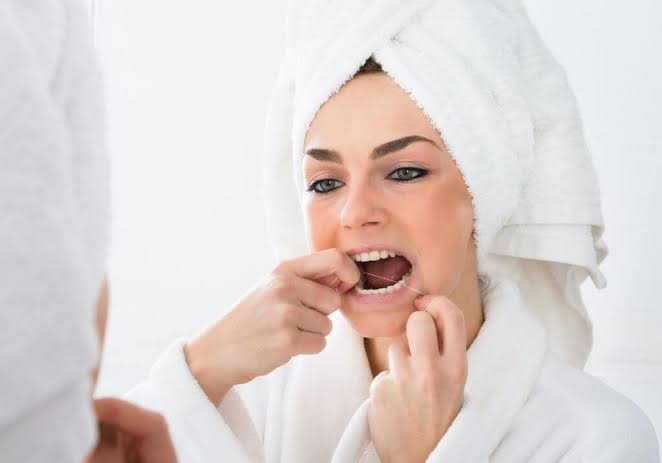
- Clean between teeth once each day with floss, an interdental brush, or another suitable tool.
- Choose water often, especially between meals and after sugary or acidic drinks.
- Avoid hard scrubbing, which can irritate gums and wear toothbrush bristles quickly.
- Take persistent bleeding, pain, swelling, sensitivity, or sores seriously.
- Adjust daily care for children, braces, dental work, dry mouth, and changing mobility needs.
In Toronto, Ontario, a reliable oral care routine can make a meaningful difference during busy workdays, school mornings, long commutes, and evenings at home. Visiting a dental clinic is important when care is needed, but the habits completed between appointments do much of the everyday work of removing plaque and protecting teeth and gums.
The goal is not an elaborate collection of products or a perfect routine. A few consistent actions, including careful brushing, cleaning between teeth, drinking water, and paying attention to changes in the mouth, can support oral health throughout the year.
Why Daily Habits Matter
Plaque is a sticky film that develops on teeth during the day. When it is not removed regularly, it can contribute to tooth decay, gum irritation, bad breath, and hardened deposits that cannot be brushed away at home. Think of oral hygiene as routine maintenance, similar to washing dishes before food residue becomes difficult to remove.
Build a Morning and Night Routine
Morning Routine
Brush gently after waking or after breakfast, depending on personal preference and schedule. Clean the tongue if it has a noticeable coating, and start the day with water rather than making sweetened coffee drinks, juice, or pop the default choice.
Night Routine
Evening care deserves extra attention because food particles and plaque should not stay on teeth overnight. Cleaning before bed is also a practical time to ask a dentist about concerns such as sensitivity, bleeding gums, persistent dry mouth, or difficulty cleaning around dental work.
Clean between teeth, then brush for about two minutes, covering every surface. If possible, avoid additional snacks and sweet drinks after brushing. People who use a fluoride toothpaste can benefit from spitting out the excess rather than immediately rinsing it away with water.
Use Better Brushing Technique
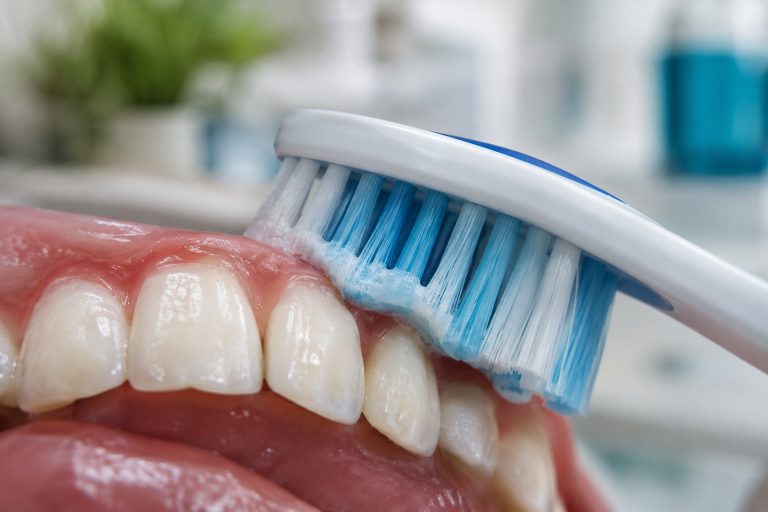
A soft-bristled manual or electric toothbrush can work well when it is used carefully. Angle the bristles slightly toward the gumline and use short, gentle movements rather than forceful back-and-forth scrubbing. Clean the outer, inner, and chewing surfaces, giving the back teeth and gumline enough time.
Replace a toothbrush or an electric toothbrush head when the bristles become bent, flattened, or frayed. Worn bristles clean less effectively and may encourage people to press harder. National guidance supports brushing for about two minutes at least twice a day, flossing daily, and using fluoride toothpaste as part of an everyday oral health plan.
Clean Between the Teeth
Toothbrush bristles cannot fully clean the contact areas between teeth. String floss is useful for many tight spaces, while interdental brushes may be easier for wider gaps. Floss picks can help people who find traditional floss difficult to hold, and water flossers may be a helpful addition for some routines.
The best option is one that can be used gently and consistently. Guide floss between teeth without snapping it into the gums, curve it around at least 2 degrees of each tooth, and move it up and down. Braces, bridges, implants, crowded teeth, and limited hand mobility may require a different tool or technique.
Make Tooth-Friendly Food and Drink Choices
Frequent sugar exposure gives mouth bacteria repeated opportunities to produce acids. Acidic beverages, including pop, energy drinks, sports drinks, and some fruit drinks, can also challenge tooth enamel. It is usually easier on teeth to have these drinks with a meal than to sip them repeatedly across the day.
Water is a practical usual drink for a Toronto day at the office, on transit, or while running errands. After a sugary or acidic snack, rinse with water if brushing is not convenient. When choosing snacks, options such as cheese, plain yogurt, vegetables, nuts where appropriate, and fresh fruit can be less likely to cling to teeth than sticky sweets.
Protect the Gums
Healthy gums are generally firm and should not bleed regularly. Some people notice minor bleeding when they first begin consistently cleaning between their teeth, but ongoing bleeding, puffiness, tenderness, or recession should not be ignored. Tobacco use, dry mouth, hormonal changes, and certain medicines can affect oral tissues.
- Brush gently at the gumline twice daily.
- Clean between teeth every day.
- Drink water regularly if the mouth feels dry.
- Limit tobacco and frequent sugary snacks or drinks.
- Arrange an assessment for persistent bleeding or swelling.
Adjust Care for Different Life Stages
Children, Teens, and Adults
Children need age-appropriate amounts of toothpaste and adult help until they can brush effectively. Timers, songs, and predictable routines can make the habit easier. As teeth touch, between-teeth cleaning becomes important. Guidance for cleaning a child’s teeth twice daily and cleaning between teeth as soon as they touch can help caregivers build a routine that evolves with the child.
Teens and adults may need extra planning around braces, sports, grinding, smoking, and packed schedules. A small travel kit with a toothbrush, fluoride toothpaste, and interdental cleaner can make after-lunch care more realistic.
Older Adults
Dry mouth, gum recession, dentures, root cavities, and reduced hand strength can change what daily care looks like. Larger-handled brushes, electric toothbrushes, floss holders, and regular checks of removable appliances may make the routine more manageable.
Know When to Seek Care
Home care cannot resolve every problem. Seek professional advice for tooth pain that continues or worsens, swelling of the gums or face, regular bleeding, a loose or cracked tooth, severe hot or cold sensitivity, a sore or patch that does not heal, or bad breath that continues despite improved cleaning. A knocked-out tooth or significant dental injury needs prompt attention.
Common Mistakes to Avoid
- Brushing harder rather than more thoroughly.
- Skipping the spaces between teeth.
- Using mouthwash as a replacement for brushing and interdental cleaning.
- Keeping a worn toothbrush for too long.
- Drinking sugary or acidic beverages throughout the day.
- Waiting for severe pain before addressing a concern.
Conclusion
Healthy teeth and gums are usually supported by small actions repeated every day. Gentle brushing, daily between-teeth cleaning, sensible food and drink choices, and attention to warning signs can help Toronto residents keep oral care simple, practical, and easier to sustain.