Key Takeaways
- The best Santa Fe neighborhood is the one that supports your daily routine, budget, and future plans.
- Compare travel time, nearby services, privacy, home condition, outdoor access, and ongoing maintenance before choosing.
- Historic homes, planned communities, foothill properties, and rural acreage can carry very different responsibilities.
- Visit promising areas more than once, including during weekday traffic and evening hours.
- A simple scorecard can keep first impressions from outweighing practical considerations.
Choosing where to live in Santa Fe is about more than finding an appealing adobe exterior, a dramatic sunset view, or a short drive to the Plaza. A home’s setting shapes everyday decisions, from grocery runs and work commutes to snow-day access, yard care, parking, and the time needed to maintain the property.
Buyers who want local perspective can use Santa Fe, NM real estate experts Summit Group Real Estate Professionals as a starting point for home-search tools, neighborhood information, and buying or selling guidance. Summit Group Real Estate Professionals is a Northern New Mexico brokerage with Santa Fe coverage as well as service areas in Taos, Los Alamos, and Albuquerque, making its local market experience useful when comparing the practical differences between communities.
Why Neighborhood Choice Matters
A house can be updated over time, but its location cannot. Two similarly priced properties may offer very different ownership experiences. One may put restaurants, galleries, medical services, and regular errands nearby. Another may offer more land, quiet, and views, while requiring longer drives, private-road awareness, or more extensive exterior maintenance.
Start by deciding what must work on an ordinary Tuesday, not just on the day of a showing. Consider where you work, shop, exercise, take pets, visit family, and spend time outdoors. Also think ahead to how a home office, guest room, studio, garden, mobility needs, or household changes could affect your priorities.
Start With a Personal Housing Profile
Before scheduling tours, write a short profile that separates essentials from preferences. This prevents a striking kitchen or mountain view from distracting from a location that does not fit your life.
- Set a comfortable monthly ownership budget, including taxes, insurance, utilities, and maintenance reserves.
- List regular destinations such as work, school, health care, groceries, and recreation.
- Decide whether walkability, quiet streets, privacy, a garage, a yard, or a dedicated workspace matters most.
- Identify nonnegotiables for pets, gardening, guests, hobbies, vehicles, or aging in place.
Compare Santa Fe Areas by Lifestyle
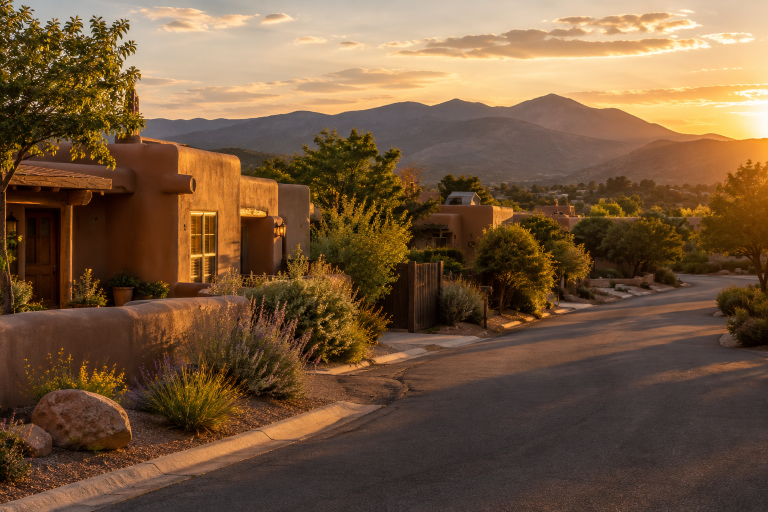
Santa Fe has distinct districts and residential settings, from the Plaza and Canyon Road to the Railyard, Midtown, and Southside. The city’s character changes noticeably between these areas, as shown in this overview of Santa Fe neighborhoods and districts. Use broad area descriptions as an introduction, then judge each specific street and property on its own merits.
Central and Historic Areas
Central locations can offer close access to dining, galleries, museums, events, and established streetscapes. Trade-offs can include smaller lots, visitor activity, limited parking, and older building systems. During inspections, pay close attention to roofing, stucco, drainage, plumbing, heating, and documentation for previous improvements.
Southside and Practical Residential Areas
Southside and other residential areas may appeal to buyers focused on access to shopping, services, parks, and newer housing choices. Test travel routes at the times you would actually use them. Ask about nearby vacant land, planned construction, road work, homeowners association requirements, and any fees that affect the full monthly cost.
Foothill and View-Oriented Areas
Foothill settings can provide privacy, larger parcels, trail access, and expansive views. They can also involve steeper drives, winter weather considerations, drainage questions, private-road obligations, and more exterior upkeep. Confirm emergency access, water service, insurance availability, internet options, and the condition of driveways and retaining features.
Rural and Larger-Lot Properties
Properties outside denser neighborhoods can support gardens, workshops, animals, and a greater sense of separation. They also require careful due diligence. Review wells, septic systems, access easements, fencing, land boundaries, and the ongoing time needed to maintain acreage.
Review Historic Rules Before Planning Changes
Historic character and property condition are separate issues. A well-maintained older home may be in excellent shape, while a newer property can still require repairs. If a home is in a designated historic district, confirm what review may be required before assuming you can alter exterior finishes, windows, walls, fencing, additions, or landscaping. The City’s Historic Districts Review Board process is an important place to check before making renovation plans.
Calculate the Full Cost of Ownership
Listing price is only one part of the decision. Build a property-specific budget that includes:
- Mortgage payment, property taxes, and homeowners insurance.
- Available utility history and expected seasonal usage.
- Roof, stucco, heating, cooling, drainage, and landscaping needs.
- HOA dues, private-road costs, assessments, or community fees.
- Well, septic, snow removal, fencing, or land-care costs when applicable.
- A repair reserve, especially for older homes or larger properties.
Use a Neighborhood Comparison Scorecard
Rate each area from one to five using the same categories. Consistency makes competing options easier to evaluate.
- Budget fit and estimated monthly cost
- Commute, road access, and parking
- Distance to daily services and preferred activities
- Noise, traffic, lighting, and evening activity
- Home condition and likely maintenance needs
- Privacy, views, outdoor space, and recreation
- Flexibility for future needs and potential resale appeal
Visit at Different Times and Ask Better Questions
Return to each finalist neighborhood on a weekday morning, late afternoon, and weekend when possible. Walk nearby streets, test the route to key destinations, and check cellular and internet service at the property. During tours, ask about system ages, known moisture or drainage issues, utility arrangements, easements, restrictions on casitas or rentals, and planned development nearby.
A Seven-Step Plan for Making the Choice
- Write down the five daily needs that matter most.
- Set a realistic total ownership budget.
- Choose three to five area types to compare.
- Review property condition alongside price and location.
- Visit each area at different times.
- Use the same scorecard for every option.
- Select the location that provides the strongest balance of comfort, cost, convenience, and future flexibility.
Conclusion
The right Santa Fe neighborhood should make daily life easier while supporting the way you want to live in New Mexico. By weighing location, upkeep, travel patterns, services, outdoor priorities, and long-term costs together, buyers can move beyond a first impression and choose a home with greater confidence.